


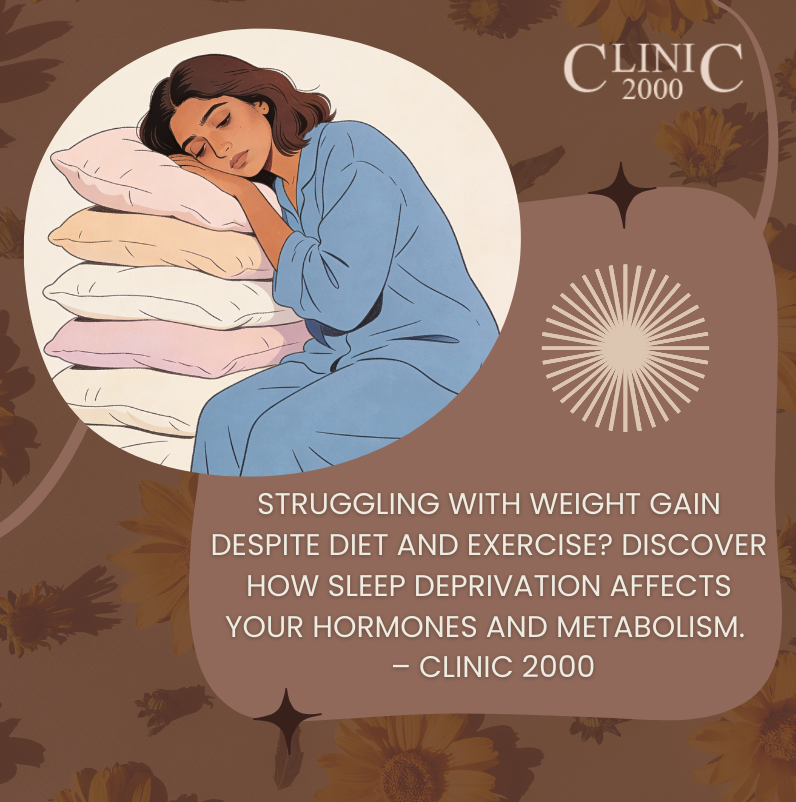
Introduction: The Connection Between Sleep and Weight Loss
In today’s fast-paced world, many people are familiar with the feeling of sleep deprivation. Whether it’s due to work pressures, family obligations, or simply the stresses of daily life, getting enough sleep has become a luxury for many. What most people don’t realize, however, is that poor sleep doesn’t just leave you feeling fatigued or groggy, it can also directly affect your weight.
When you don’t get enough sleep, it disrupts your hormones, slows down your metabolism, increases your cravings for unhealthy foods, and leads to fat accumulation. Weight gain, especially around the abdomen, is often a direct result of chronic sleep deprivation.
At Clinic 2000, we understand the intricate relationship between sleep quality and weight management. This blog will dive into how lack of sleep is contributing to obesity, and how Clinic 2000’s holistic approach can help you break the cycle of poor sleep and weight gain. Let’s explore how sleep affects your metabolism, fat storage, and overall health, and what can be done to restore balance.
How Sleep Deprivation Affects Weight Loss: The Science Behind It
Sleep deprivation may seem like a simple issue of not getting enough rest, but it’s actually a complex biological problem that interferes with your metabolism and fat storage. The impact of poor sleep on weight loss can be broken down into several key areas:
1. Hormonal Imbalance: Ghrelin and Leptin
Sleep regulates two important hormones that directly control hunger and satiety:
- Ghrelin: The “hunger hormone” that stimulates appetite and increases cravings.
- Leptin: The “satiety hormone” that signals your brain when you’re full and helps you stop eating.
When you don’t sleep enough, ghrelin levels increase, making you feel hungrier, while leptin levels decrease, making it harder for you to feel full after eating. This imbalance results in overeating and increased calorie consumption, particularly for high-calorie, comfort foods.
2. Elevated Cortisol Levels
Cortisol, the stress hormone, also plays a significant role in fat storage. Chronic sleep deprivation elevates cortisol levels, which can lead to:
- Increased fat storage in the abdominal area, particularly around the waist.
- Slower fat burning, as high cortisol levels make it more difficult for the body to use fat for energy.
This fat is often referred to as stress-induced belly fat and is notoriously resistant to traditional weight loss methods.
3. Insulin Resistance and Weight Gain
Another major factor in sleep deprivation is insulin resistance. Insulin is responsible for regulating blood sugar and fat storage. When you don’t get enough sleep, your body’s cells become less sensitive to insulin, leading to higher levels of insulin in the bloodstream.
- Elevated insulin levels promote fat storage.
- This condition often leads to belly fat and difficulty losing weight, even if you’re following a diet and exercise plan.
The Vicious Cycle of Poor Sleep and Weight Gain
When sleep deprivation is chronic, the body gets caught in a vicious cycle that makes weight loss even more difficult:
- Increased hunger and cravings due to hormonal imbalances.
- Fat storage in the abdomen and other stubborn areas due to high cortisol levels.
- Slower metabolism as a result of hormonal disruption and poor sleep.
- Reduced energy levels, making it harder to engage in physical activity or exercise.
- Stress and emotional eating: Sleep deprivation can contribute to emotional eating, leading to further weight gain.
As a result, weight loss becomes a constant struggle, with temporary changes followed by inevitable weight regain, especially around the midsection.
How Clinic 2000 Can Help You Break the Cycle
At Clinic 2000, we understand that obesity and weight gain are not just about calories and exercise. Hormones, stress, and lifestyle factors play a critical role in your ability to lose weight and maintain a healthy body shape. We offer a holistic, medically guided approach that focuses on:
1. Comprehensive Hormonal Assessments
We begin by conducting thorough hormonal evaluations to identify any imbalances, including insulin resistance, elevated cortisol levels, and thyroid function. Once we have a clear understanding of how your hormones are affecting your weight loss efforts, we can design a customized treatment plan that addresses the root causes.
2. Personalized Weight Loss Programs
Our personalized weight loss programs go beyond traditional diets and exercise plans. At Clinic 2000, we create a comprehensive, individualized plan that includes:
- Dietary strategies tailored to balance hormones and regulate insulin levels.
- Exercise plans that enhance fat burning and boost metabolism.
- Metabolic support and nutritional guidance to restore balance and improve fat loss.
3. Non-Surgical Fat Reduction Treatments
For patients struggling with stubborn fat, non-surgical fat reduction treatments such as liposuction alternatives, PRP therapy, and HIFU (High-Intensity Focused Ultrasound) are incredibly effective. These treatments can help break down localized fat and contour the body without the risks and recovery time associated with traditional surgery.
4. Stress Management and Lifestyle Support
Since stress is a major factor in both hormonal imbalance and weight gain, we include stress management techniques as a key part of our program. Our experts offer:
- Yoga and mindfulness sessions to reduce cortisol levels.
- Breathing exercises and meditation practices to help you relax and manage stress.
- Sleep hygiene tips to ensure you’re getting restorative, deep sleep to support your weight loss goals.
What Results Can You Expect?
The key to lasting weight loss is consistency. At Clinic 2000, we expect to see:
- Visible fat reduction within 4-6 weeks of starting the program.
- Improved metabolism and energy levels as hormones come back into balance.
- Gradual, sustainable weight loss with continued progress over the next 3-6 months.
Most importantly, our goal is to help you maintain these results for the long term, by focusing on restoring balance in the body’s systems, rather than relying on extreme diets or temporary fixes.
Conclusion: Break the Cycle of Sleep Deprivation and Weight Gain
Sleep deprivation and obesity go hand in hand, creating a cycle of hormonal imbalance, fat storage, and emotional eating. Breaking this cycle requires more than just dieting and exercising, it requires a holistic, medically supported approach to weight loss. At Clinic 2000, we offer solutions that target the root causes of weight gain, focusing on hormonal balance, metabolic health, and lifestyle management.
If you’re struggling with weight loss due to sleep deprivation or other underlying issues, Clinic 2000 is here to help. Our personalized treatment plans are designed to restore your body’s natural balance, helping you achieve lasting weight loss and improved overall health.
If you’re ready to break the cycle of sleep deprivation and weight gain, book a consultation with our expert team at Clinic 2000. Together, we’ll create a customized weight loss plan that helps you restore balance, optimize metabolism, and achieve your weight loss goals.
📞 Call: 8978537720 / 9676231891
📍 Location: Clinic 2000, Himayatnagar, Hyderabad
FAQs About Sleep Deprivation and Weight Loss
- Can sleep deprivation cause weight gain?
Answer: Yes, lack of sleep increases hunger hormones and fat storage, leading to weight gain, especially around the belly.
- How does sleep affect fat storage in the body?
Answer: Poor sleep elevates cortisol levels, which triggers fat storage, particularly in the abdominal area.
- Can improving my sleep help me lose weight?
Answer: Yes, improving your sleep can regulate hormones, reduce cravings, and optimize metabolism, aiding weight loss.
- Does stress make weight loss harder?
Answer: Yes, stress increases cortisol levels, making it harder to lose fat and leading to emotional eating.
- How can Clinic 2000 help with weight loss and sleep issues?
Answer: At Clinic 2000, we offer personalized treatments that address both sleep quality and hormonal imbalances, promoting long-term weight loss.