


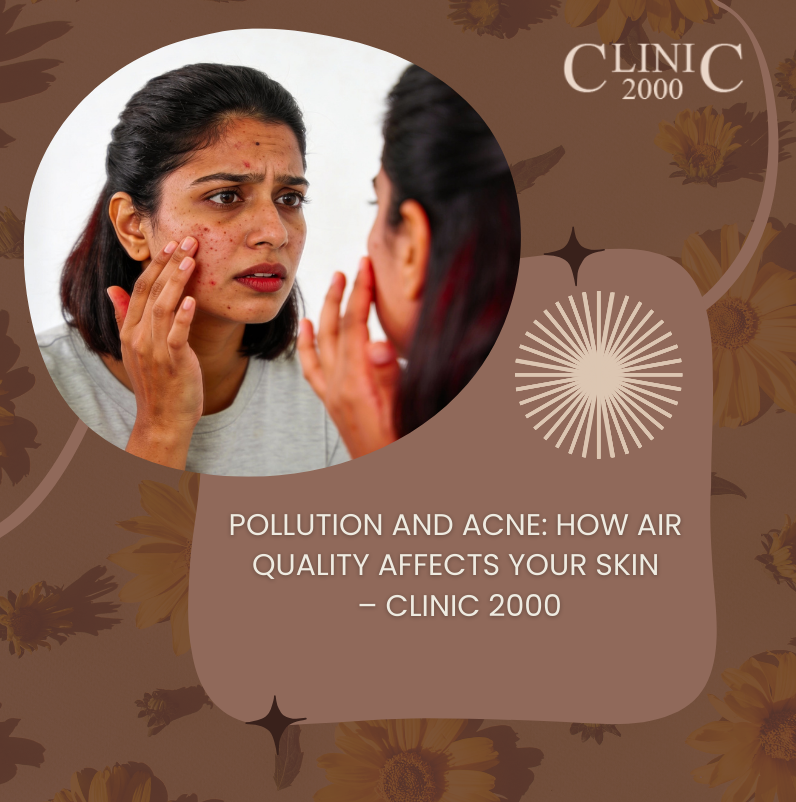
Introduction: The Hidden Link Between Pollution and Acne
We’re all aware of the harmful effects of pollution on our health, but did you know that it can also significantly impact your skin? Pollution, including harmful particles in the air, is not just a problem for your lungs, it can also lead to skin damage, inflammation, and acne flare-ups.
Living in cities, especially in areas like Hyderabad, where air quality is often compromised, makes your skin more susceptible to breakouts, blackheads, whiteheads, and other types of acne. The pollutants in the air can clog pores, irritate the skin, and cause an imbalance in your skin’s natural protective barrier.
At Clinic 2000, we understand the significant role environmental factors play in the appearance of your skin. This blog will dive into how pollution is contributing to acne and what you can do to protect your skin from its effects. We will also discuss how Clinic 2000’s acne treatments are specifically designed to tackle the skin damage caused by pollution.
How Pollution Affects Your Skin and Causes Acne
Pollution contains toxic particles and chemicals that can damage the skin and worsen acne. Here’s how exposure to pollution can directly contribute to acne:
1. Clogged Pores and Increased Oil Production
One of the primary causes of acne is clogged pores, which happens when dead skin cells and excess oil get trapped in the pores. Air pollutants like dust, smog, and chemicals can stick to the skin and mix with the natural oils on your face. These particles clog the pores, leading to the formation of blackheads and whiteheads, which can eventually evolve into inflamed acne.
2. Inflammation and Skin Irritation
Pollution is a known cause of oxidative stress, which accelerates inflammation in the skin. When your skin is exposed to harmful particles, the body’s immune response kicks in, leading to swelling, redness, and irritation. This inflammation can trigger breakouts or exacerbate existing acne.
3. Skin Sensitivity and Reduced Skin Barrier Function
Pollutants also weaken the skin’s natural barrier. The skin becomes more sensitive to external aggressors like UV rays, chemicals, and environmental irritants. A compromised skin barrier is unable to lock in moisture and protect against acne-causing bacteria, leading to more frequent and severe breakouts.
4. Increased Sebum Production
Pollution has been shown to stimulate sebum production, which is the skin’s natural oil. Overproduction of sebum can mix with dirt, pollutants, and dead skin cells, leading to the clogging of pores and the development of acne. High pollution levels are linked to increased oiliness in the skin, which can worsen acne conditions.
5. Acne Triggers from UV Exposure Due to Pollution
While the sun’s UV rays are a well-known acne trigger, pollution can make the situation worse. Air pollution can increase the impact of UV rays on your skin, accelerating skin aging and acne formation. This combination of exposure to pollution and UV radiation can result in a weakened skin defense system, making acne more prone to occur.
Who Is Most Affected by Pollution-Induced Acne?
While pollution affects everyone to some degree, certain factors can make you more susceptible to pollution-related acne:
1. Sensitive Skin Types
People with sensitive skin or conditions like rosacea are more likely to experience flare-ups from exposure to environmental pollutants. Sensitive skin is thinner and more reactive to external irritants, making it more vulnerable to pollution.
2. Those with Existing Acne Conditions
If you already suffer from acne, pollution can exacerbate the condition. Clogged pores, increased inflammation, and oil production can make your acne worse, leading to larger breakouts and scarring.
3. Living in High-Pollution Areas
Residents of cities or industrial areas with high levels of air pollution are more likely to experience skin damage, including acne. People living in urban environments like Hyderabad are exposed to more air pollutants, making them more vulnerable to acne caused by environmental factors.
4. People With an Inconsistent Skincare Routine
Those who don’t properly cleanse their skin at the end of the day are more likely to suffer from pollution-induced acne. Pollution particles left on the skin overnight can clog pores and trigger breakouts, so it’s important to use a gentle yet effective skincare routine to protect your skin.
How to Protect Your Skin from Pollution-Induced Acne
Preventing acne caused by pollution is possible with a few simple steps. Here’s how to protect your skin and keep it clear:
1. Double Cleanse Your Skin
Start by cleansing your skin twice every evening to remove dirt, dust, and pollutants that have accumulated throughout the day. Use a gentle cleanser to remove makeup, followed by a deep-cleansing face wash to remove pollutants and excess oils. This helps keep your pores free from debris and prevents acne.
2. Use Antioxidant-Rich Skincare
Antioxidants help combat the oxidative stress caused by pollution. Look for skincare products containing vitamin C, vitamin E, and green tea extract, which are known for their ability to neutralize free radicals and reduce inflammation.
3. Apply Sunscreen Daily
Even on cloudy days, pollution can increase your exposure to UV rays. Use a broad-spectrum sunscreen with SPF 30 or higher to protect your skin from sun damage, which can make acne worse. Look for sunscreens formulated for acne-prone skin that won’t clog your pores.
4. Use Pollution-Protective Skincare Products
Certain skincare products contain ingredients like pollution blockers that form a protective barrier on your skin, preventing harmful particles from penetrating the skin. These products can be especially beneficial for people living in areas with high pollution.
5. Keep Your Skin Hydrated
Pollution can cause your skin to lose moisture, making it more prone to irritation and acne. Make sure to hydrate your skin with a non-comedogenic moisturizer. This helps lock in moisture and keeps your skin soft and supple.
How Clinic 2000 Helps Treat Pollution-Induced Acne
At Clinic 2000, we take a comprehensive approach to treating acne, especially when it’s exacerbated by environmental factors like pollution. Our expert dermatologists offer personalized treatment plans that combine advanced medical treatments with targeted skincare regimens to address both the root cause and visible effects of pollution on your skin.
1. Advanced Acne Treatments
- PRP Therapy: Using Platelet-Rich Plasma, we help rejuvenate the skin, promote healing, and reduce acne scars caused by long-term breakouts.
- Chemical Peels: To target pigmentation and uneven skin texture, chemical peels can remove pollutants and toxins from the skin, promoting fresh and healthy skin.
2. Personalized Skincare Routines
Our dermatologists will create a custom skincare routine designed to protect your skin from pollution and environmental stressors while promoting healthy skin regeneration.
3. Long-Term Skin Health Support
We focus on sustainable skincare routines that not only treat acne but also strengthen your skin’s natural defense systems, preventing future breakouts caused by ongoing exposure to pollutants.
Conclusion: Fighting Pollution-Induced Acne with Clinic 2000
Pollution is a silent acne trigger that many overlook, but its effects on the skin can be significant. Protecting your skin from environmental damage is crucial to maintaining a clear, healthy complexion. At Clinic 2000, we offer personalized acne treatments that address both the immediate effects of pollution and the long-term health of your skin.
By incorporating effective skincare, advanced treatments, and preventive care, you can protect your skin from the harsh effects of pollution and keep your complexion clear and vibrant.
If you’re struggling with pollution-induced acne, don’t wait to take action. Book a consultation at Clinic 2000 today and let our experts guide you on a path to clear, healthy skin.
📞 Call: 8978537720 / 9676231891
📍 Location: Clinic 2000, Himayatnagar, Hyderabad
FAQs About Pollution and Acne
- Can pollution really cause acne?
Answer: Yes, pollution particles clog pores, trigger inflammation, and increase oil production, all of which contribute to acne.
- How do I protect my skin from pollution?
Answer: Use antioxidant-rich skincare, double cleanse, and always apply sunscreen to protect your skin from pollution.
- Does pollution make acne worse?
Answer: Yes, pollution worsens acne by increasing oil production, inflammation, and skin irritation.
- How long does it take to see results from acne treatments caused by pollution?
Answer: With professional treatments like PRP therapy or chemical peels, noticeable improvements can be seen in 2–4 weeks.
- Can pollution cause scars from acne?
Answer: Yes, persistent acne from pollution can lead to hyperpigmentation and scarring, but treatments like PRP and chemical peels can help minimize damage.