


Introduction: The Invisible Shield of Your Skin
When it comes to skincare, most people focus on serums, moisturizers, and treatments, but there’s something more important that often goes unnoticed: your skin barrier.
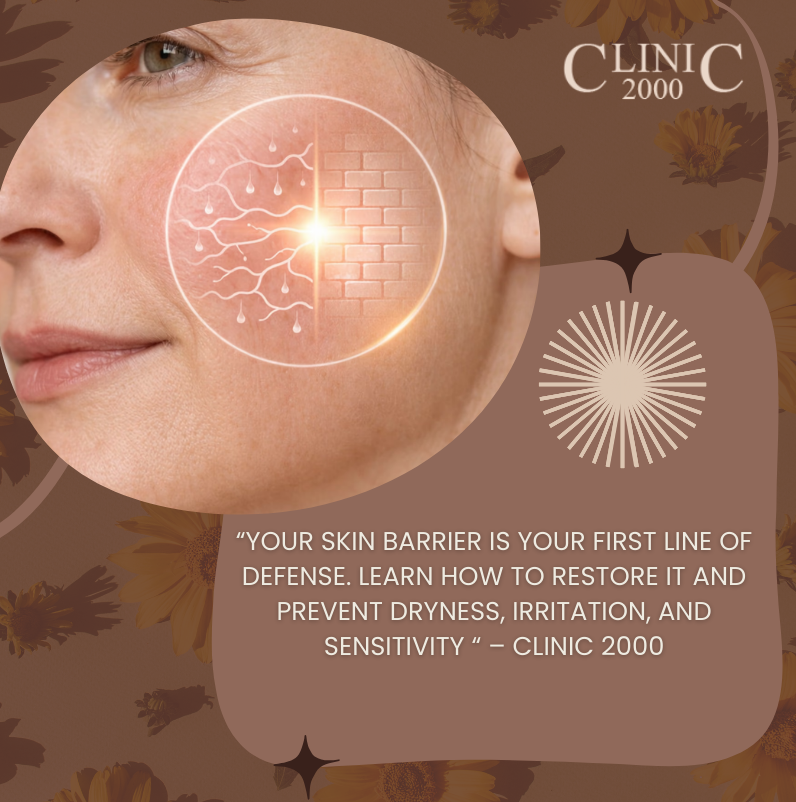
The skin barrier, also known as the stratum corneum, is the outermost layer of your skin. It acts as your skin’s protective shield, preventing moisture loss, blocking harmful environmental toxins, and acting as a defense against bacteria, pollutants, and irritants.
When the skin barrier becomes damaged, it can result in dry, sensitive, or irritated skin, along with more serious concerns like redness, inflammation, and premature aging. Understanding how the skin barrier works and how to restore it is essential for healthy, glowing skin.
At Clinic 2000, we believe that a strong, healthy skin barrier is the foundation for effective skincare. This blog will explore how the skin barrier works, what causes damage, and how to restore and protect it for long-term skin health.
What Is the Skin Barrier?
The skin barrier is the outermost layer of your skin and consists of dead skin cells, lipids (fats), and natural oils. Its primary function is to maintain the skin’s hydration and protect it from harmful microorganisms, pollution, and UV radiation.
When your skin barrier is intact, it allows your skin to stay hydrated, look smooth, and maintain a healthy glow. But when the barrier is compromised, your skin may become dry, irritated, and more prone to sensitivity.
Signs of a Damaged Skin Barrier
A compromised skin barrier can lead to various skin concerns. Some of the common signs include:
- Dryness and dehydration: Skin feels tight or rough, and moisturizers don’t seem to help.
- Redness and irritation: Increased sensitivity and frequent flare-ups of irritation.
- Inflammation: Swelling and general discomfort on the skin’s surface.
- Breakouts and acne: Damage to the barrier can lead to more acne as the skin’s ability to protect itself from bacteria and irritants is weakened.
- Dull, uneven texture: The skin appears rough, uneven, or blotchy due to the loss of hydration and oil balance.
If you’re experiencing any of these symptoms, it may be a sign that your skin barrier is compromised and in need of repair.
How the Skin Barrier Becomes Damaged
Several factors can cause damage to the skin barrier, including:
1. Harsh Skincare Products
Overuse of exfoliants, acids, and strong active ingredients (such as retinoids or vitamin C) can strip the skin of its natural oils. This weakens the barrier, leaving the skin vulnerable to irritation and environmental damage.
2. Over-Cleansing
Excessive washing or using harsh, soap-based cleansers can strip the skin of its natural oils, leaving it dry and sensitive.
3. Environmental Stressors
Pollution, UV rays, and even cold weather can damage the skin barrier. These environmental factors contribute to oxidative stress, which breaks down collagen and weakens the skin’s protective layer.
4. Poor Diet
A diet lacking in essential nutrients, including healthy fats, antioxidants, and vitamins, can negatively affect the skin barrier. This often results in dry, flaky skin and increased sensitivity.
5. Stress and Sleep Deprivation
Stress and lack of sleep can increase cortisol levels, which lead to inflammation and disrupt the skin’s ability to repair itself. This further weakens the skin barrier.
6. Dehydration
Inadequate water intake can leave the skin looking dull and prone to irritation. Dry skin with a compromised barrier is more susceptible to external aggressors.
How to Restore and Protect Your Skin Barrier
Restoring your skin barrier requires patience and proper care. Here are some essential steps you can take:
1. Use Gentle, Hydrating Products
Avoid using harsh cleansers and opt for gentle, hydrating formulas that nourish the skin without stripping its natural oils. Look for products containing ingredients like glycerin, hyaluronic acid, and ceramides — these help to lock in moisture and restore hydration.
At Clinic 2000, we recommend non-stripping cleansers and hydrating serums that provide deep moisture without disturbing the barrier.
2. Rebuild the Barrier with Ceramides
Ceramides are naturally occurring lipids (fats) in your skin that are essential for maintaining the skin barrier. Use skincare products that contain ceramides to help restore and repair your skin barrier.
Ceramide-rich products help to replenish lost lipids and prevent moisture from escaping the skin.
3. Avoid Harsh Exfoliation
While exfoliation is essential for skin renewal, over-exfoliating can damage the skin barrier. Choose gentle exfoliants like alpha-hydroxy acids (AHAs) or beta-hydroxy acids (BHAs), and use them sparingly — 1–2 times per week.
4. Stay Hydrated
Drink plenty of water to keep your skin hydrated from the inside out. Hydrated skin is more resilient and able to repair itself more efficiently.
You can also use hydrating face masks or sheet masks containing hyaluronic acid to boost moisture.
5. Apply Sunscreen Every Day
UV rays are one of the biggest threats to the skin barrier. To protect your skin from further damage, always apply sunscreen with at least SPF 30 before going outside. Look for broad-spectrum sunscreens that protect against both UVA and UVB rays.
At Clinic 2000, we recommend daily sun protection as part of every skincare routine to maintain long-term skin health.
6. Incorporate Antioxidants into Your Routine
Antioxidants help protect the skin from free radical damage caused by pollution and environmental stress. Look for skincare products with vitamin C, vitamin E, and green tea extract, which help reduce oxidative stress and support skin repair.
7. Improve Sleep and Manage Stress
Prioritize good sleep hygiene and stress management to support your skin’s natural repair cycle. The body repairs and regenerates skin cells during deep sleep, so aim for 7–9 hours of quality rest each night.
Try incorporating relaxation techniques like yoga or meditation to lower cortisol levels and support skin healing.
How Clinic 2000 Can Help Restore Your Skin Barrier
At Clinic 2000, we understand the importance of a healthy skin barrier and take a personalized approach to skincare. If you’re struggling with a damaged skin barrier, our dermatology experts can provide:
- Customized skincare plans designed to restore your barrier function
- Hydrating facials and treatments to replenish moisture
- Medical-grade products to repair and protect the skin
- Advanced treatments like microneedling and PRP to promote skin regeneration
- Personalized lifestyle recommendations to help reduce environmental damage and improve skin resilience
Conclusion
Your skin barrier is one of the most important aspects of your skin’s health. When it’s compromised, your skin becomes more vulnerable to irritation, dryness, and other skin issues. Restoring and protecting the barrier is essential for maintaining healthy, radiant skin.
At Clinic 2000, we offer a range of services to help restore and maintain the health of your skin barrier, allowing your skin to function optimally. With the right products, treatments, and lifestyle changes, you can enjoy healthier, more vibrant skin that’s resilient to environmental damage.
If you’re experiencing skin irritation, dryness, or sensitivity, it’s time to evaluate your skin barrier and take steps toward restoring it. Book a consultation with us today to learn how we can help you achieve your skin health goals.
FAQs
- How long does it take to restore a damaged skin barrier?
It can take several weeks to a few months, depending on the extent of the damage and the consistency of your skincare routine. - Can I restore my skin barrier with at-home products?
Yes, with the right skincare routine, you can begin to restore your skin barrier. However, professional guidance may be needed for more severe damage. - What ingredients should I avoid if my skin barrier is damaged?
Avoid harsh exfoliants, alcohol-based toners, and products with strong fragrances, as they can further irritate the skin. - Can stress affect my skin barrier?
Yes, stress increases cortisol levels, which can weaken the skin barrier and increase inflammation.
5. Is sunscreen necessary if I’m repairing my skin barrier?
Yes, sunscreen is crucial to protect your skin from further damage and to prevent UV-induced aging. Always apply SPF 30 or higher every day.