


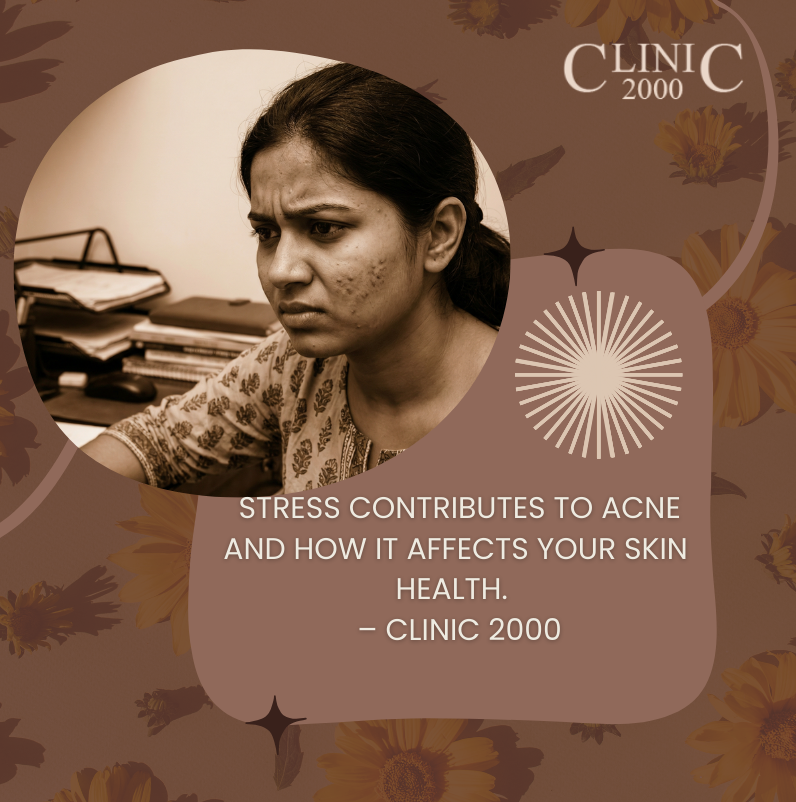
Introduction: Understanding the Link Between Stress and Acne
Life is stressful, and with stress, comes the physical impact. Many people are familiar with the feeling of stress affecting their mood and well-being, but stress also takes a visible toll on your skin, leading to issues such as acne, inflammation, and skin irritation. What many don’t realize is that the root cause of many acne flare-ups is linked directly to stress and its hormonal impact on the body.
At Clinic 2000, we believe in a holistic approach to acne treatment, addressing the root causes of skin issues, not just the surface symptoms. Stress is often a hidden trigger for acne and other skin conditions, and managing it is critical to achieving healthy, clear skin. In this blog, we’ll explain why stress leads to acne, how hormonal imbalances contribute, and how Clinic 2000’s expert treatments can help you manage both stress and acne effectively.
How Stress Affects the Skin and Causes Acne
Stress isn’t just something that makes you anxious or uncomfortable. It has a direct, physiological impact on the body, including skin health. Stress stimulates the sympathetic nervous system, triggering the body’s fight or flight response, which in turn increases the production of hormones like cortisol.
Cortisol: The Stress Hormone and Its Role in Acne
Cortisol, produced by the adrenal glands, is a key player in the body’s response to stress. It helps regulate metabolism, reduce inflammation, and manage stress, but chronic stress leads to prolonged high cortisol levels.
How Cortisol Affects the Skin:
- Increased oil production: Cortisol stimulates the sebaceous glands in the skin to produce more oil (sebum). Excess oil leads to clogged pores, which can cause breakouts and blackheads.
- Weakened skin barrier: Elevated cortisol levels impair the skin’s natural barrier function, making it more vulnerable to external irritants, bacteria, and pollutants. This increases the likelihood of skin irritation and inflammation, contributing to acne development.
- Inflammation: Chronic stress increases inflammation throughout the body, including in the skin. Inflammation can exacerbate existing acne and cause the skin to become red, irritated, and inflamed.
Why Acne Gets Worse During Stressful Periods
Many people notice that their acne gets worse during stressful events — whether it’s a major project at work, personal issues, or other life challenges. This is because stress accelerates acne in several ways:
- Hormonal Fluctuations: Stress causes fluctuations in hormone levels, especially testosterone and androgens, which stimulate the sebaceous glands and increase oil production, leading to clogged pores and acne.
- Immune Response and Inflammation: Stress weakens the immune system, causing the body to become more prone to inflammation. Acne lesions become more inflamed, red, and swollen, and the healing process is slower.
- Emotional Eating: Stress often leads to emotional eating, causing individuals to crave sugary, high-fat, or greasy foods. These foods can further trigger acne due to their impact on insulin levels and inflammation.
The cycle is vicious, as more stress leads to more acne, and more acne leads to increased stress, resulting in a never-ending loop.
Why Traditional Acne Treatments May Not Be Enough for Stress-Induced Acne
Conventional acne treatments often focus on topical creams or oral medications that address the surface symptoms of acne. While these treatments can be effective for some, they don’t address the underlying hormonal imbalances caused by stress. Simply treating the symptoms (such as acne lesions) without addressing the root cause (stress) is often not enough to achieve long-term results.
Common Pitfalls of Traditional Acne Treatments:
- Short-term solutions: Traditional acne treatments may reduce the appearance of acne, but they don’t target the hormonal and emotional causes of acne, which can lead to recurring breakouts once treatment is stopped.
- Skin irritation: Many acne treatments can be harsh on the skin, leading to dryness, redness, or further irritation, especially for sensitive skin.
- Lack of personalized care: Acne is a complex condition influenced by multiple factors, including genetics, lifestyle, and hormonal imbalances. Generic treatments don’t address the unique causes of acne for each individual.
How Clinic 2000 Takes a Holistic Approach to Acne Treatment
At Clinic 2000, we take a holistic approach to acne treatment by focusing on both the internal and external factors that contribute to your skin issues. We understand that stress-induced acne requires more than just topical treatments — it requires a personalized treatment plan that addresses the root causes of stress and skin irritation.
1. Comprehensive Skin and Hormonal Assessments
Before beginning any treatment, we conduct a thorough skin analysis to understand the condition of your skin. This includes examining:
- Skin type and sensitivities
- Existing acne lesions
- Inflammatory markers and scarring
We also assess hormonal imbalances by performing tests for insulin resistance, testosterone levels, and cortisol to identify if stress is contributing to your acne. Understanding your hormonal profile is crucial for targeting the root cause of your acne.
2. Personalized Stress Management Programs
Since stress plays such a central role in acne development, we offer stress management solutions to help reduce cortisol levels and restore emotional balance. Our holistic treatments include:
- Mindfulness and meditation sessions
- Yoga and breathing exercises
- Cognitive behavioral therapy (CBT) for managing stress and emotional triggers
These techniques help you manage stress in your daily life, reducing the impact of stress-induced acne.
3. Advanced Acne Treatments
At Clinic 2000, we offer a range of advanced acne treatments to address both active acne lesions and acne scars caused by long-term breakouts. Our treatments include:
- PRP (Platelet-Rich Plasma) therapy: Stimulates skin regeneration, reduces inflammation, and speeds up the healing process.
- Chemical peels: Targets pigmentation, acne marks, and uneven skin texture.
- Microneedling: Promotes collagen production, helping reduce acne scars and improve overall skin texture.
These treatments are designed to accelerate healing, minimize scarring, and reduce inflammation caused by stress.
4. Customized Skincare and Lifestyle Guidance
We provide personalized skincare routines designed to reduce oil production, improve skin barrier function, and prevent further breakouts. Our dermatologists recommend gentle, non-comedogenic products tailored to your skin type and acne severity.
Additionally, we offer lifestyle coaching to help you make changes that support skin health:
- Balanced diet plans to improve skin clarity
- Exercise regimens to boost circulation and reduce stress
- Sleep hygiene tips to improve skin regeneration overnight
What Results Can You Expect from Stress Management for Acne?
The results from a stress management and holistic acne treatment plan vary, but most patients begin to notice improvements within 2–4 weeks. As stress levels decrease, acne breakouts become less frequent, and the skin’s healing process speeds up.
For acne scars, it may take 4–6 weeks of consistent treatment to see visible improvements. Skin texture will improve, pigmentation will fade, and scarring will be minimized as the treatments progress.
At Clinic 2000, we focus on long-term care to help you achieve clear skin and maintain it with lifestyle changes that support healthy skin.
Conclusion: Stress Doesn’t Have to Control Your Skin
Stress and acne are often linked in a vicious cycle, but breaking that cycle is possible. By managing stress levels, addressing hormonal imbalances, and following a personalized acne treatment plan, you can regain control of your skin’s health.
At Clinic 2000, we provide a comprehensive approach that targets both the external symptoms of acne and the internal causes of stress. With our expert guidance, you can achieve clearer, healthier skin and feel confident in your appearance once again.
FAQs About Stress and Acne
- Can stress cause acne?
Answer: Yes, stress increases cortisol, which triggers oil production and inflammation, leading to acne flare-ups.
- How long does it take to see results from stress management for acne?
Answer: Most patients see improvements within 2–4 weeks of starting a stress management plan and acne treatments.
- Can stress affect acne scars?
Answer: Yes, chronic stress can worsen acne scars by slowing down the healing process. Our treatments help accelerate healing.
- What are the best treatments for stress-induced acne?
Answer: PRP therapy, chemical peels, microneedling, and personalized skincare routines are highly effective.
- How can I manage stress to improve my acne?
Answer: Techniques like yoga, meditation, and deep breathing exercises can help reduce stress and improve skin health.
If you’re ready to break free from stress-induced acne, book a consultation at Clinic 2000. Our experts will design a personalized treatment plan to help you manage stress and get the clear skin you deserve.
📞 Call: 8978537720 / 9676231891
🌐 Visit: www.clinic-2000.com
📍 Location: Clinic 2000, Himayatnagar, Hyderabad